
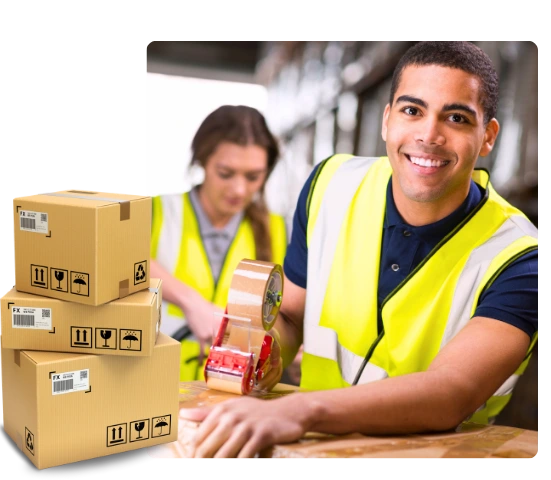













For growing ecommerce businesses, managing inventory, warehousing, picking, packing, and shipping in-house can quickly become a full-time operation. 3PL and fulfillment services in the USA give businesses a practical way to outsource these day-to-day logistics while keeping their focus on sales, customer experience, and growth.
For U.S.-based sellers, the right fulfillment partner can provide the warehouse space, technology, and operational support needed to handle everyday orders as well as seasonal spikes and periods of increased demand. Whether a company needs basic storage and shipping or comprehensive ecommerce fulfillment services USA businesses can rely on, the goal is straightforward: keep inventory organized, orders moving, and customers receiving their products on time without having to manage every logistics task internally.
For businesses looking for one-stop supply chain solutions, working with a provider that can support multiple stages of the fulfillment process can also simplify operations and make it easier to scale.
What Are 3PL and Fulfillment Services?
Third-party logistics, commonly known as 3PL, involves outsourcing some or all of a company's logistics operations to an external provider. These third party logistics providers help businesses manage essential supply chain activities without requiring them to build and maintain every part of the operation themselves.
Depending on the provider and service package, a 3PL company may handle inventory storage, order processing, picking and packing, shipping coordination, inventory management, and other fulfillment-related tasks.
Instead of leasing and managing your own warehouse, hiring a fulfillment team, and coordinating every shipment internally, you can work with a logistics partner that manages these processes as part of an integrated operation.
This can be especially useful for ecommerce businesses that need end-to-end 3PL and fulfillment support as their order volume grows. From inventory receiving to final shipment preparation, the right setup allows business owners and internal teams to spend less time managing repetitive logistics tasks and more time working on the parts of the business that drive growth.
What Do Fulfillment Services Include?
The exact services offered vary from one provider to another, but fulfillment services generally cover the process of moving a customer's order from inventory to delivery. Depending on a company's needs, this may include warehousing, inventory tracking, order management, packaging, shipping coordination, and specialized handling.
Warehousing and Inventory Management
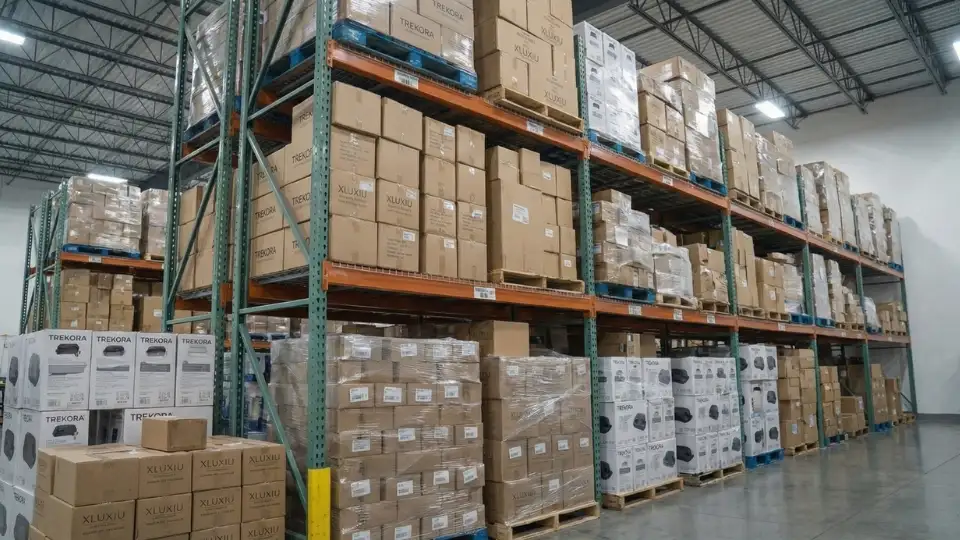
Warehousing and fulfillment services provide businesses with a place to store products until they are sold.
A fulfillment provider can receive inventory, organize products within its warehouse, monitor stock levels, and support the processes required to prepare orders for shipment. Businesses looking for a fulfillment warehouse USA location can evaluate warehouse capacity, inventory management systems, geographic coverage, and proximity to their customers when choosing a provider.
For businesses with a large or expanding product catalog, outsourcing warehousing can eliminate the need to manage additional warehouse space internally. It can also give growing ecommerce brands more flexibility as their inventory needs change.
Order Processing, Picking, and Packing
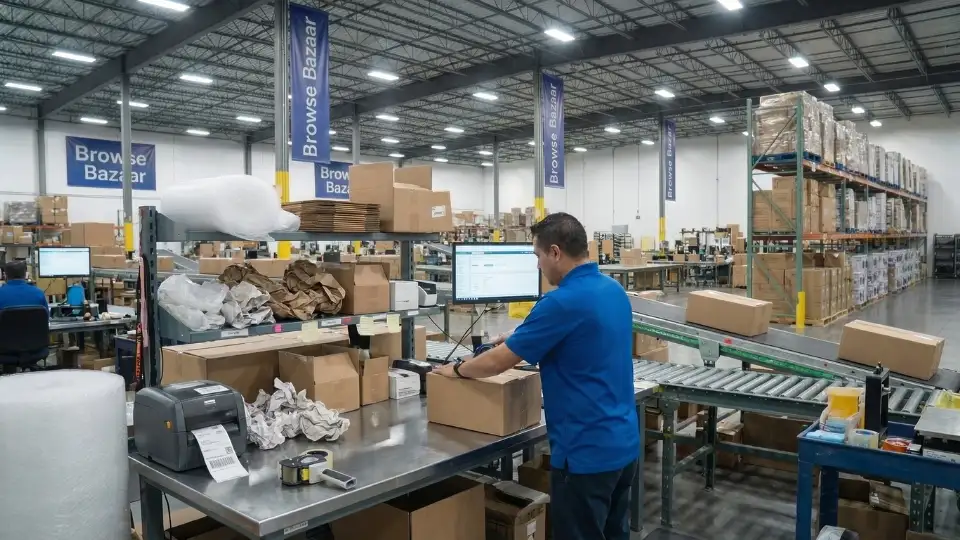
Once a customer places an order, the fulfillment process begins. The product needs to be located in inventory, picked, packed appropriately, and prepared for shipment. Depending on the provider, the process may also include order verification, labeling, packaging customization, and other handling requirements.
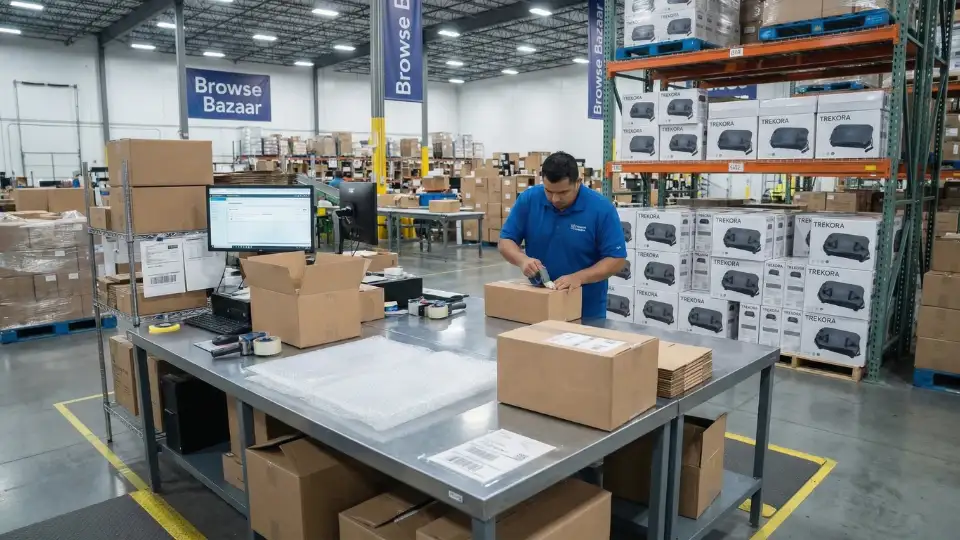
Professional order fulfillment services allow these repetitive operational tasks to be handled by a specialized logistics partner rather than an internal team. For businesses that need a reliable order fulfillment USA solution, working with an established provider can help streamline daily order processing as sales increase.
Many providers also offer pick and pack services, in which warehouse staff retrieve the correct items, verify order details, and package products according to the seller's requirements. This process is particularly useful for ecommerce businesses with multiple SKUs, varying order sizes, or specific packaging instructions.
For companies handling more orders than their existing staff, warehouse, or systems can comfortably manage, outsourcing picking and packing can help create a more consistent workflow.
Shipping Fulfillment
Once an order has been packed, it needs to move through the shipping process and reach the customer.
Shipping fulfillment services can help businesses manage the operational side of getting completed orders ready for delivery, including coordinating shipments and working with available carriers. Depending on the provider, services may also include shipping label preparation, carrier selection, tracking support, and shipment documentation.
For ecommerce sellers handling a growing number of orders, having a structured fulfillment operation can make daily logistics easier to manage while helping the business prepare for higher order volumes.
Businesses comparing order fulfillment services USA providers should consider available shipping methods, delivery coverage, carrier relationships, and the provider's ability to accommodate changing order volumes.
Who Can Benefit From 3PL Fulfillment?
3PL services can benefit a wide range of ecommerce businesses, particularly companies that have reached the point where managing fulfillment internally is becoming increasingly time-consuming.
A 3PL may be worth considering for:
- Growing ecommerce brands
- Businesses expanding their product catalogs
- Sellers experiencing increasing order volumes
- Companies that need additional warehouse capacity
- High-volume sellers looking to outsource fulfillment operations
- Businesses that want to focus internal resources on sales, marketing, and customer experience
- Companies preparing for seasonal or promotional increases in demand
- Businesses serving wholesale accounts and corporate customers
For sellers processing substantial order volumes, fulfillment services for high-volume sellers can provide a more scalable operational approach than handling every order manually. Instead of continually adding warehouse space, equipment, and fulfillment staff as sales increase, businesses can use an established logistics operation designed to handle larger volumes.
Companies that sell to retailers, distributors, and other businesses may also benefit from B2B fulfillment services. Unlike standard direct-to-consumer orders, business-to-business shipments may involve bulk quantities, retailer-specific labeling, scheduled deliveries, purchase order requirements, or other account-specific handling procedures.
Specialized B2B order fulfillment services can help businesses coordinate these requirements while maintaining organized inventory records and consistent order processing.
How to Choose 3PL and Fulfillment Services in the USA
Choosing a fulfillment provider is an important operational decision. Before selecting a partner, businesses should consider what they actually need today and what they are likely to need as they grow.
Start by looking at the available fulfillment services USA providers offer and determine whether they match your product type, inventory requirements, order volume, packaging needs, and shipping destinations.
Other factors worth evaluating include:
- Warehouse locations and geographic coverage
- Storage capacity
- Inventory management systems
- Order processing capabilities
- Pick-and-pack operations
- Shipping options and carrier relationships
- Technology and ecommerce integrations
- Order accuracy and inventory visibility
- Customer support
- Pricing and fulfillment fees
- Ability to scale with your business
A provider that works well for a small operation may not necessarily be the right fit once your business begins processing substantially more orders.
It's also important to look beyond individual services. If your goal is to outsource a broader portion of your logistics operation, look for a provider offering comprehensive 3PL and fulfillment services in the USA rather than a solution limited to one specific fulfillment task.
Businesses should also determine whether they need domestic shipping only or support for international markets. Providers offering international fulfillment services may help sellers coordinate inventory storage, order processing, and shipments for customers outside the United States.
For companies selling across national borders, cross-border fulfillment services may also be relevant. Depending on the provider's capabilities, these services can support international shipping coordination, customs documentation, and other processes involved in delivering orders to overseas customers. Businesses should confirm which responsibilities the fulfillment provider handles and which remain with the seller or its customs partners.
Why Consider Third-Party Logistics and Fulfillment?
The main benefit of outsourcing fulfillment is operational support.
Instead of building and maintaining every part of the fulfillment process internally, an ecommerce business can rely on a specialized provider for essential logistics activities.
This can become especially valuable when fulfillment starts taking significant time, warehouse space, and staff resources away from the core business.
With the right product fulfillment services, ecommerce sellers can create a more organized process for storing inventory, processing customer orders, preparing shipments, and managing day-to-day logistics.
For businesses that need integrated picking and packing, 3PL pick and pack solutions can connect warehouse operations with order processing and shipment preparation. This can help reduce the need to coordinate separate vendors for individual logistics tasks, depending on the services included in the agreement.
Outsourcing can also provide greater flexibility. Rather than making a large upfront investment in warehouse infrastructure and fulfillment staff, a growing business can use an established operation and scale its logistics support as order volume changes.
The result can be a more adaptable fulfillment process that supports business growth without requiring the company to manage every operational detail internally.
What Should You Expect From a 3PL Partner?
A good 3PL partner should do more than simply store products and ship orders.
The right provider should fit your business model, understand your fulfillment requirements, and have the systems and capacity to support your operation as it grows.
Before signing an agreement, make sure you understand:
- How inventory is received and tracked
- How orders are processed
- How products are picked and packed
- What packaging options are available
- Which carriers and shipping methods are supported
- How inventory and order data are managed
- How ecommerce platforms integrate with the fulfillment system
- How fulfillment fees are calculated
- What happens when order volume increases
- How customer and operational support is handled
- Whether international shipping support is available, if needed
Clear expectations from the beginning can help prevent fulfillment issues later and make it easier to evaluate whether a provider is delivering the level of service your business requires.
Before committing, ask about service-level expectations, order accuracy targets, inventory reporting, returns handling, and any additional charges for specialized services. Understanding these details can help you compare providers based on the overall value they deliver rather than price alone.
Find the Right Fulfillment Solution for Your Business
The best fulfillment setup depends on your products, order volume, warehouse requirements, shipping needs, customer expectations, and growth plans.
Before choosing a provider, compare the services available and make sure the solution can support your current operation as well as future demand. Consider whether you need domestic fulfillment, specialized B2B handling, international shipping support, or a combination of these capabilities.
For businesses looking for a more comprehensive logistics solution, 3PL and fulfillment services can provide a practical way to outsource essential fulfillment operations while building a more scalable ecommerce workflow.
The goal isn't simply to hand logistics over to another company. The right fulfillment strategy should make your operation more efficient, give your team back valuable time, and provide the infrastructure needed to support continued growth.
If you're exploring logistics, sourcing, warehousing, or fulfillment options for your business, browse bazar to learn more about available solutions and services.
Final Thoughts
For a growing ecommerce business, fulfillment can quickly become one of the most time-consuming parts of day-to-day operations.
Managing inventory, warehouse space, order processing, packing, and shipping internally may work at a smaller scale, but the demands can increase significantly as order volume grows.
Working with the right 3PL partner can give your business access to established fulfillment infrastructure and operational support without requiring you to build an entire logistics operation from the ground up.
The key is finding a provider that fits your current needs while giving you room to grow. By evaluating service capabilities, technology, warehouse coverage, pricing, and scalability, businesses can make more informed decisions about how to manage fulfillment as their operations expand.