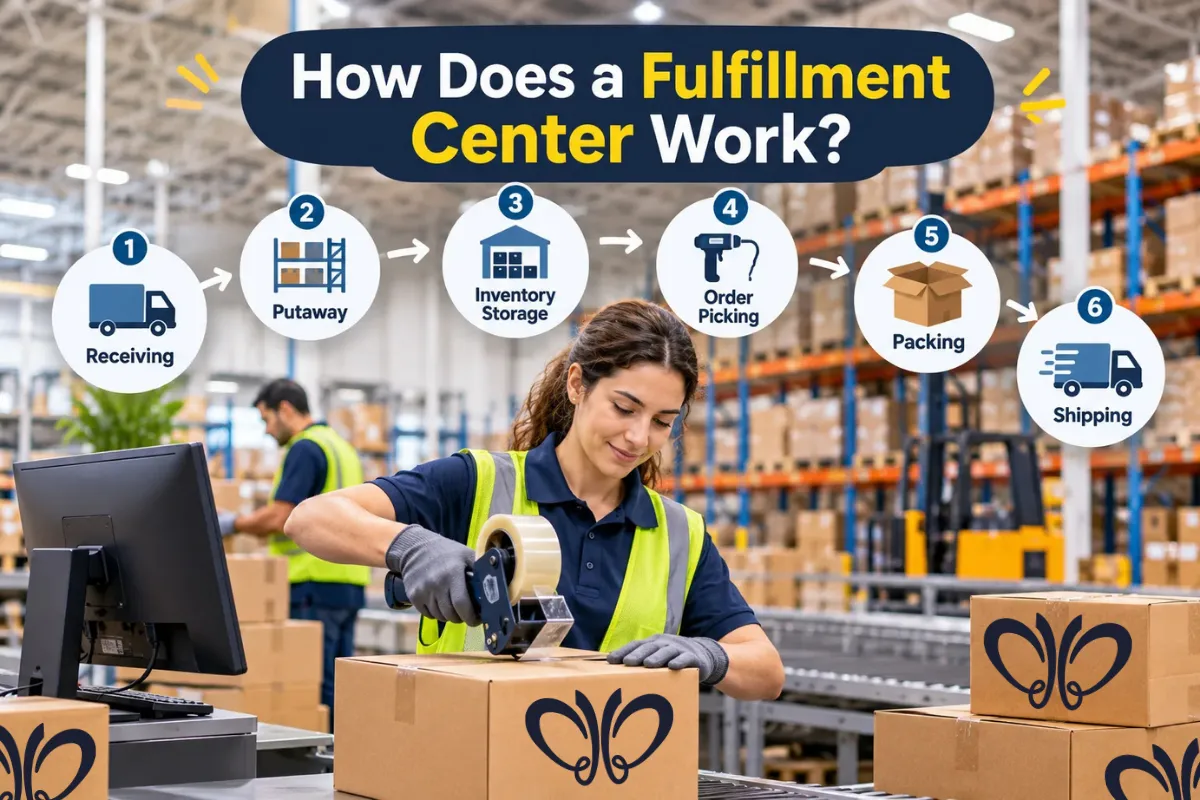
Selling on Amazon can simplify access to customers, but inventory and fulfillment become harder to manage as a business grows. Amazon FBA (Fulfillment by Amazon) stores products and handles picking, packing, shipping, customer service, and returns for eligible orders. It may not cover every part of a seller’s supply chain.
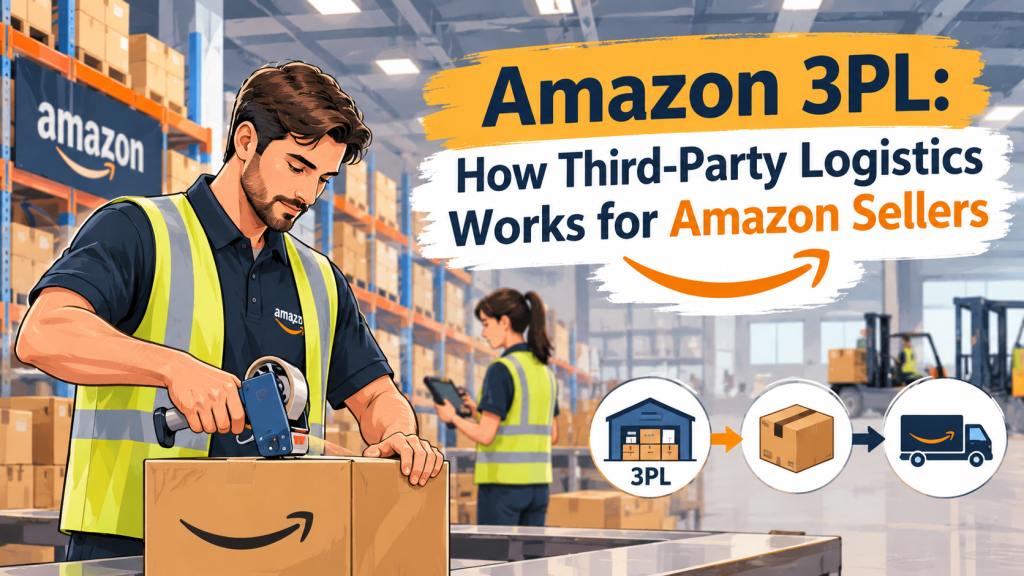
An independent third-party logistics provider, or 3PL, can prepare inbound inventory, store products, or fulfill orders outside Amazon’s network. For sellers who need help coordinating these activities, 3PL & fulfillment services offer another way to manage logistics.
Some sellers rely on FBA alone; others combine it with an independent provider. This guide explains the main Amazon 3PL arrangements and when each may make sense for sellers.
Is Amazon a 3PL?
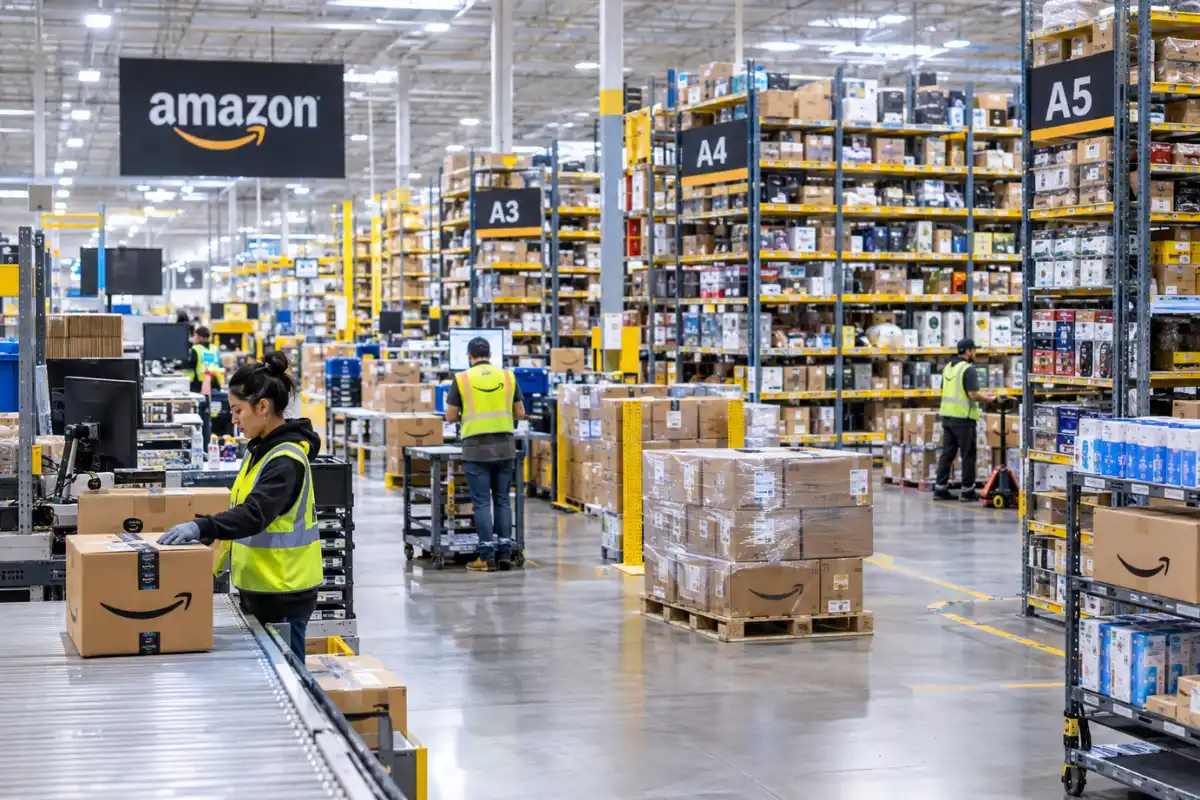
Amazon provides logistics services, but FBA and an independent 3PL are different. FBA is Amazon’s marketplace fulfillment service. An independent 3PL is an outside company that may provide warehousing, preparation, inventory handling, and shipping.
The key distinction: FBA fulfills eligible orders through Amazon’s network. An independent 3PL can support work before inventory enters FBA or fulfill orders outside Amazon’s network.
How Amazon 3PL Fulfillment Works
The workflow depends on what the seller wants to outsource. Some 3PLs prepare products for Amazon; others store inventory and ship customer orders. Sellers can use either service or combine them.
- FBA preparation and inbound logistics: The 3PL receives inventory, checks it, completes agreed preparation and labeling, and coordinates delivery to an Amazon fulfillment center.
- Merchant-fulfilled orders: The 3PL stores inventory and handles picking, packing, and shipping when a customer orders through Amazon. The seller remains responsible for meeting Amazon’s seller-fulfilled requirements.
3PL for Amazon FBA Prep and Inbound
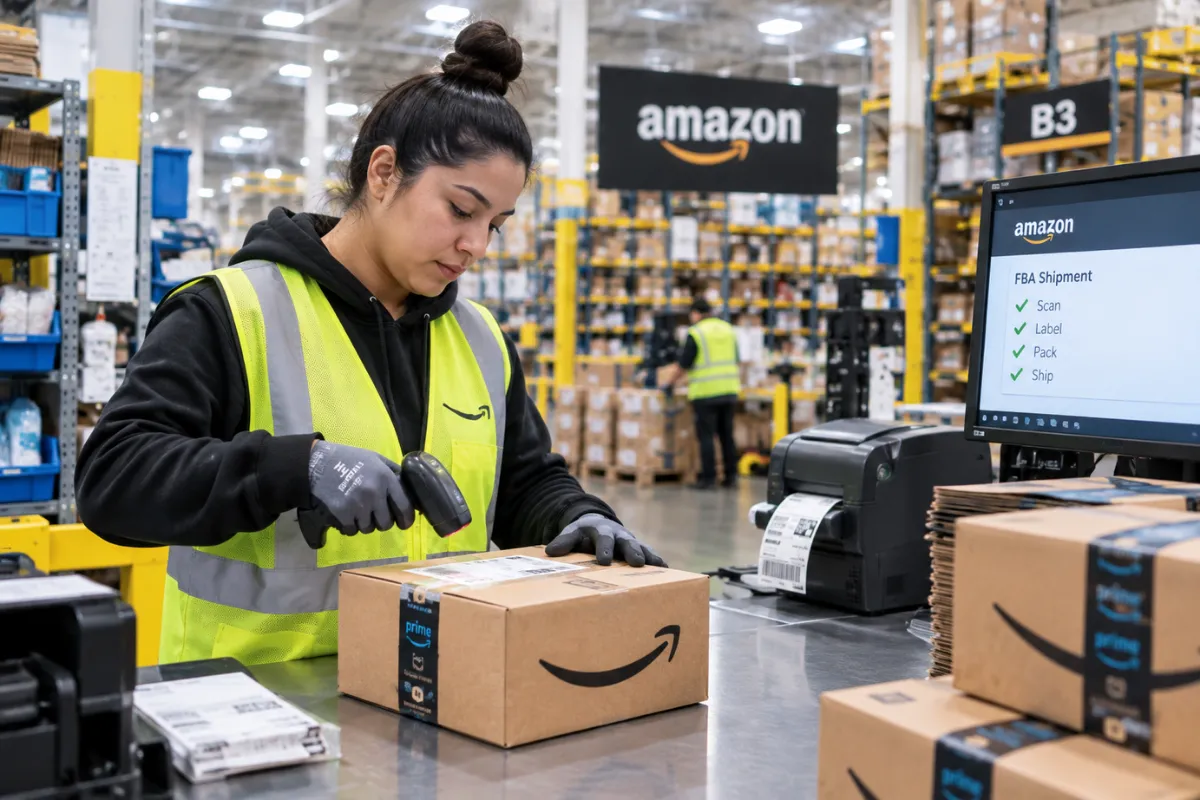
Products sent to FBA must meet Amazon’s current preparation, packaging, labeling, and shipping requirements. A prep 3PL can handle agreed tasks before delivery.
A typical process includes:
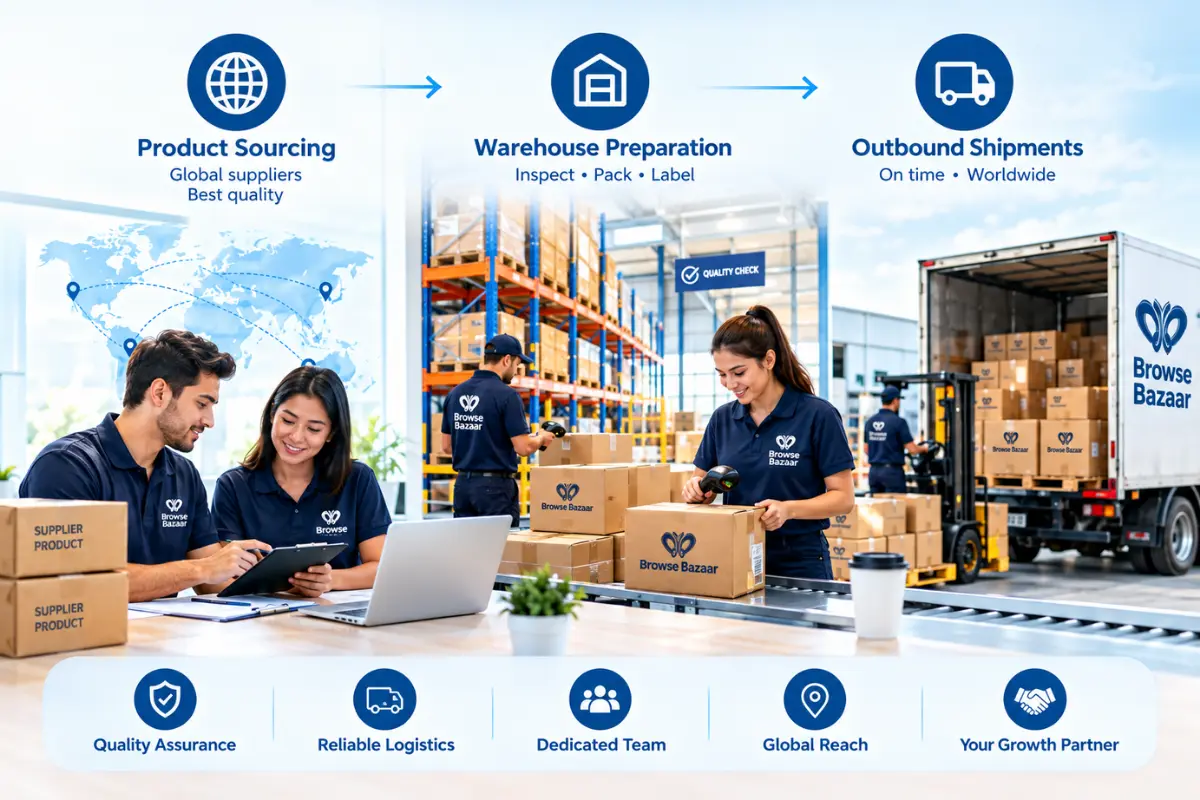
- Product sourcing and purchasing: The seller selects products and arranges purchases from manufacturers or suppliers. A sourcing partner may help coordinate supplier communication and procurement.
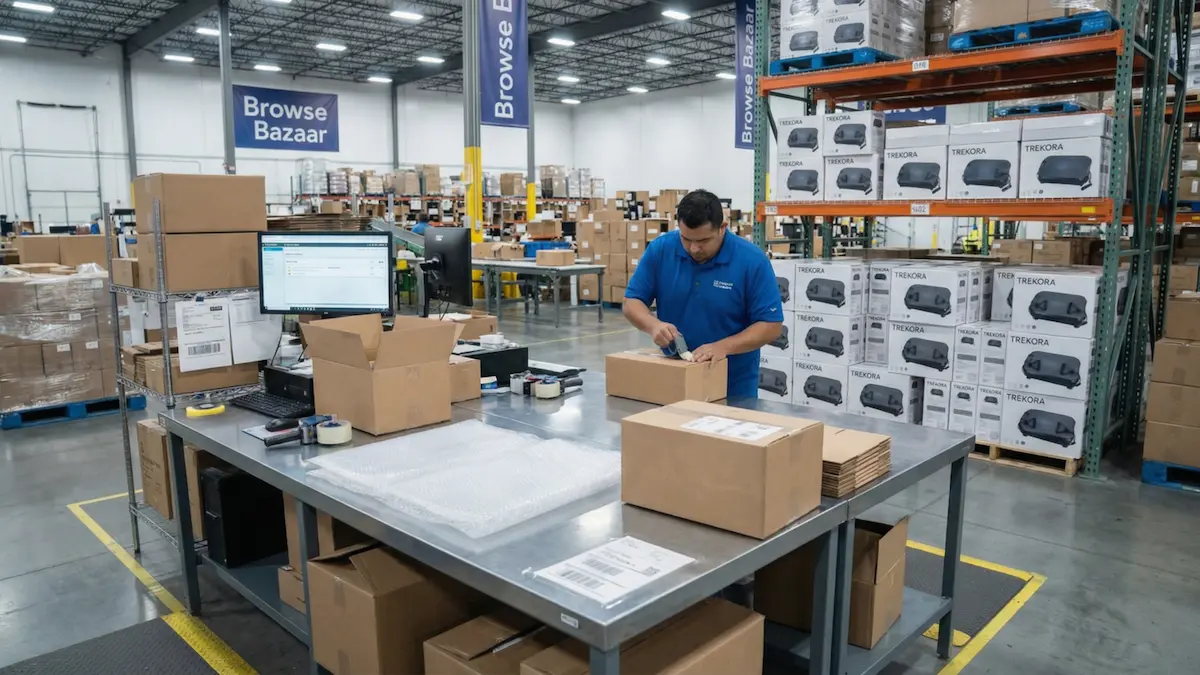
- Receiving inventory: Products arrive at the 3PL warehouse. Staff receive the shipment and compare it with the available shipment information.
- Inspection and quantity checks: The provider can check quantities, packaging condition, and visible damage, then report discrepancies before dispatch.
- Preparation and labeling: The 3PL completes the required work agreed with the seller. Depending on the product and Amazon’s rules, this may include protective packaging, bagging, bundling, or applying labels.
- Shipment planning: The seller or authorized logistics partner follows the inbound shipment process in Amazon Seller Central and confirms the destination and shipment details.
- Transportation: Prepared inventory is packed and transported to the designated Amazon receiving location.
- Receiving follow-up: The seller monitors the shipment in Seller Central and reviews any receiving discrepancies through Amazon’s available reconciliation process.
Delivery confirmation does not mean every unit is immediately available for sale; Amazon must receive and process the shipment.
3PL for Merchant-Fulfilled Orders
Some sellers keep inventory in an independent warehouse instead of sending every unit to FBA. When an Amazon order arrives, the seller sends its details to the 3PL, which picks, packs, and ships the item and provides tracking information.
This offers more choice over inventory location, especially for multichannel sellers. However, sellers remain responsible for meeting Amazon’s requirements for handling time, shipping, tracking, and customer experience. Seller Fulfilled Prime has separate eligibility and performance requirements, which are outside this article’s scope.
Amazon FBA vs. a 3PL: When Each Makes Sense
FBA and independent 3PL fulfillment can work together. A seller may use FBA for Amazon orders and an outside provider for preparation, reserve inventory, or other channels. The right mix depends on products, order volume, and sales channels.
| Factor | Amazon FBA | Independent 3PL fulfillment |
| Inventory storage | Amazon fulfillment centers | Provider’s warehouse |
| Order processing | Amazon processes eligible FBA orders | Provider processes assigned orders |
| Picking and packing | Handled by Amazon | Handled by the 3PL |
| Shipping | Amazon’s fulfillment network | Provider’s carrier and shipping network |
| Customer service and returns | Amazon handles eligible FBA order services | Scope depends on the provider agreement and sales arrangement |
| FBA preparation | Seller must arrange required prep and labeling | A qualified provider may offer prep and labeling |
| Multichannel orders | Amazon Multi-Channel Fulfillment can use eligible FBA inventory | A 3PL may fulfill orders across supported channels |
| Inventory flexibility | Stock is positioned in Amazon’s network | Seller can keep stock outside Amazon |
A combined model can send some inventory to FBA while keeping reserve stock with a 3PL.
Where Amazon’s Logistics Model Can Become Challenging
FBA simplifies order fulfillment, but sellers may still face costs and operational constraints as their businesses grow.
1. Fulfillment and storage costs
FBA fulfillment and storage fees vary with factors such as product size, weight, and storage duration. These costs can affect low-margin products. A 3PL is not automatically cheaper: compare receiving, storage, preparation, picking, packing, shipping, and additional fees.
2. Slow-moving inventory
Long-stored inventory can become more expensive. Amazon applies aged-inventory charges under its current rules, and removal or disposal may involve additional fees. Sellers with seasonal or slow-moving products may keep reserve stock externally and replenish FBA as needed. Long-stored inventory is not automatically disposed of; review current policies and removal settings.
3. Preparation and inbound complexity
Shipments must meet Amazon’s packaging, labeling, and transportation requirements. Errors can cause delays or added costs. Since Amazon ended its US prep and labeling services in January 2026, sellers must arrange these tasks themselves or use an outside provider.
A third-party provider may help sellers complete preparation, labeling, and inbound logistics tasks before inventory reaches Amazon. Sellers should confirm the provider’s exact responsibilities and service scope before relying on them.
4. Inventory discrepancies and receiving delays
Shipment quantities may not immediately match the amounts shown as received in Seller Central. Sellers may need records and supporting documents for Amazon’s reconciliation process. A 3PL can maintain records of quantities received, prepared, and dispatched.
5. Returns management
Amazon handles returns for eligible FBA orders, but sellers may still need to decide what happens to returned or unsellable inventory. An independent 3PL may offer receiving, inspection, sorting, and storage for returns, depending on its services and agreement.
6. Dependence on one fulfillment network
Relying entirely on Amazon for storage and fulfillment can limit a seller’s options. Keeping some inventory with an independent provider can create another location from which to replenish FBA or fulfill orders through other channels. The aim is not necessarily to replace Amazon, but to build a supply chain with options.
Multichannel Selling: Combining Amazon With Other Channels
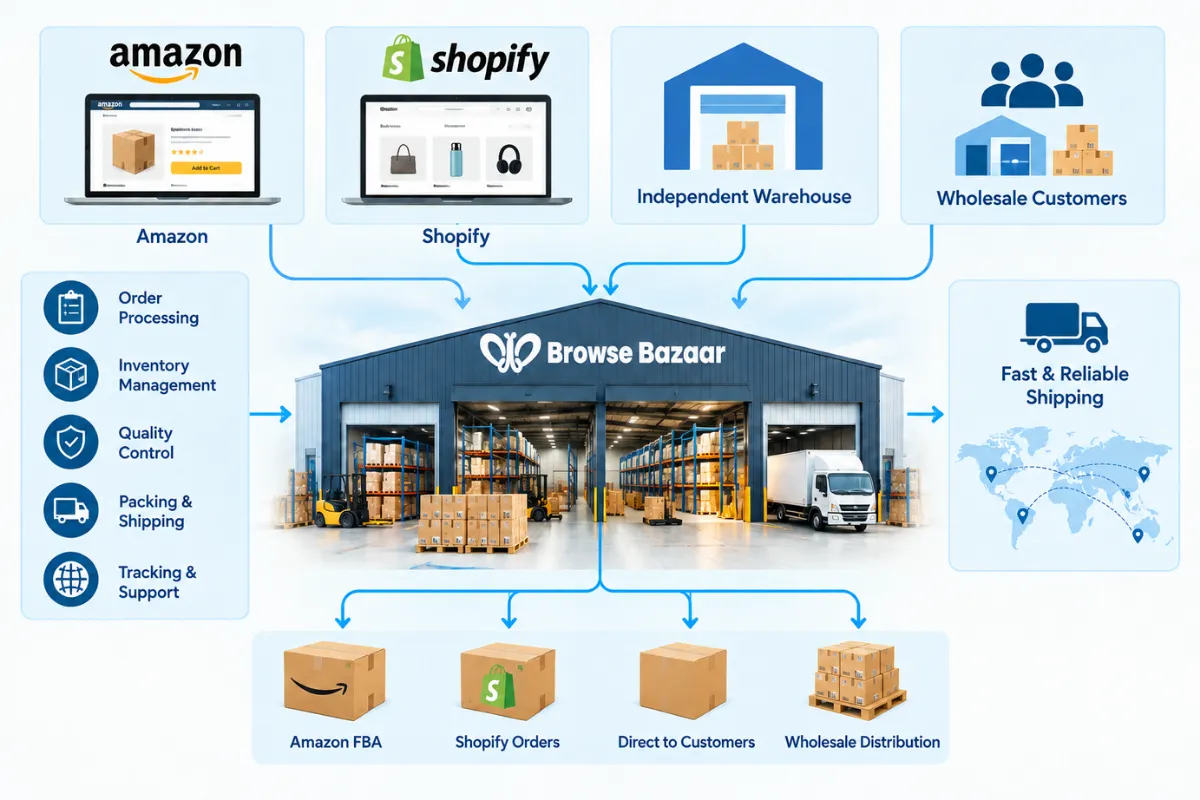
Sellers may expand to a Shopify store, other marketplaces, or wholesale. A 3PL can provide storage and fulfillment across supported channels. For example, a seller might:
- Keep reserve inventory at an independent 3PL warehouse.
- Send a portion of available stock to Amazon FBA.
- Use FBA for eligible Amazon orders.
- Have the 3PL fulfill website or wholesale orders.
- Replenish Amazon inventory when stock levels fall.
Amazon also offers Multi-Channel Fulfillment (MCF), which can use eligible FBA inventory to fulfill orders from other sales channels. The difference is that MCF uses Amazon’s fulfillment network, while an independent 3PL uses its own warehouse and logistics arrangements.
For sellers operating a Shopify store alongside Amazon, Shopify 3PL is a related topic.
How to Know if You Need an Amazon 3PL
Not every seller needs an independent provider. FBA may be enough for a small business with predictable sales. A 3PL may help if:
- Order volume is growing: Receiving and preparing inventory takes time away from sales and business planning.
- You manage many SKUs: Products have different packaging, labeling, storage, or handling needs.
- Sales are seasonal: You need somewhere to hold reserve stock rather than sending all inventory to Amazon at once.
- You buy from multiple suppliers: Coordinating purchases, deliveries, and preparation has become difficult.
- You sell through several channels: You need a more organized way to allocate and fulfill inventory.
- FBA preparation is taking too much effort: You need help with inspection, labeling, packaging, or inbound shipments.
- Inventory administration is becoming difficult: You want a provider to handle specific warehouse tasks while your team focuses on the business.
Final Thoughts
Amazon FBA can be a practical way to store inventory and fulfill eligible customer orders, but it is not the only logistics option available to sellers. As a business grows, managing product sourcing, preparation, inbound shipments, storage, and orders across multiple sales channels can require more support than FBA alone provides.
An independent third-party logistics provider can fill some of those gaps. Depending on the agreed services, a 3PL may receive and inspect products, prepare shipments for Amazon, hold reserve inventory, or fulfill orders placed through other channels. Sellers can use these services alongside FBA rather than treating the two models as competing choices. The most suitable arrangement depends on product requirements, order volume, inventory turnover, sales channels, and the total cost of each service.
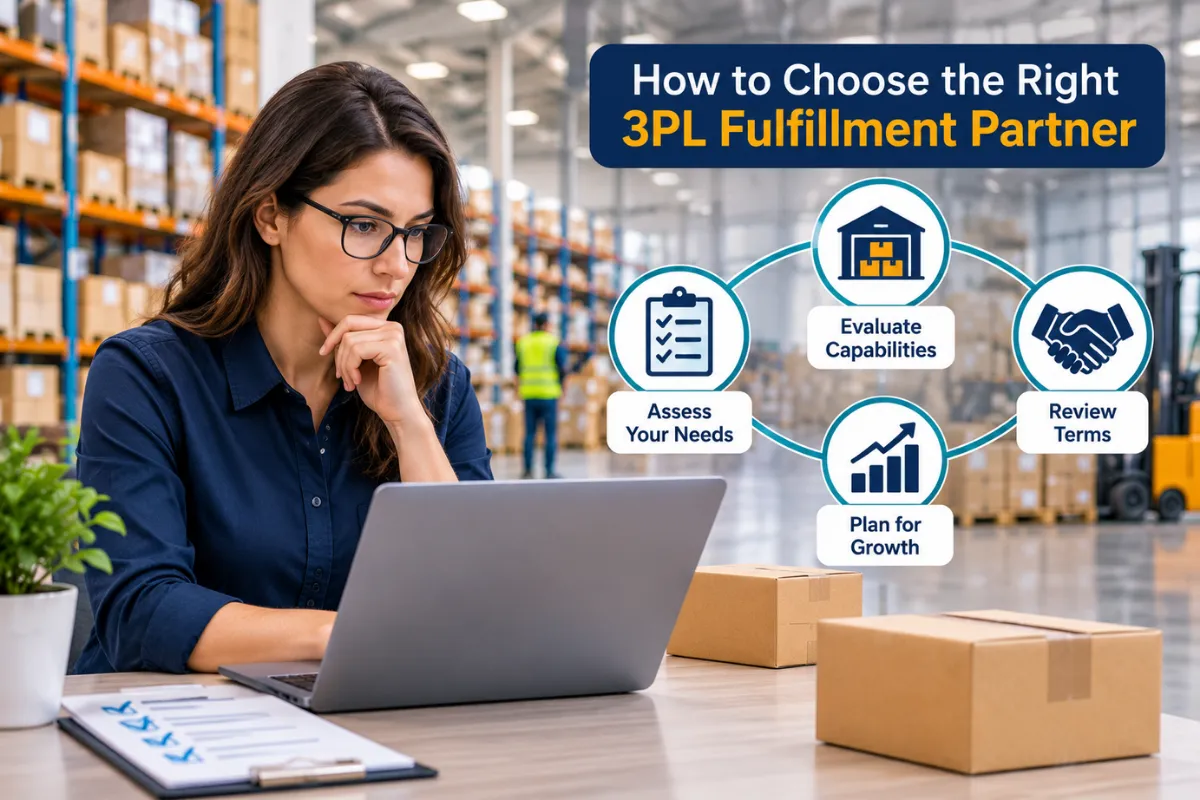
Before choosing a provider, map out the tasks your business needs help with and compare the full scope of each option. Look beyond headline storage or fulfillment rates: account for receiving, preparation, labeling, handling, shipping, returns, and any additional charges. It is also important to confirm who is responsible for each step and how inventory records and shipment updates will be shared.
If you need guidance on third-party fulfillment services or want to explore the options available for your business, you can get a free consultation from Browse Bazaar’s experts.